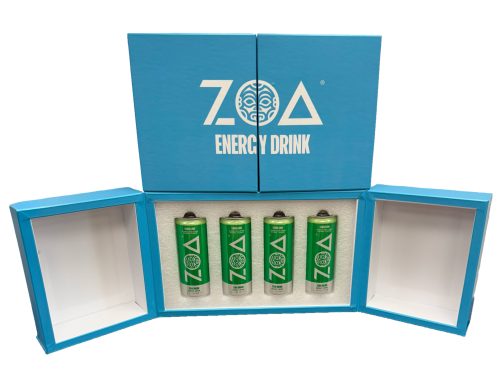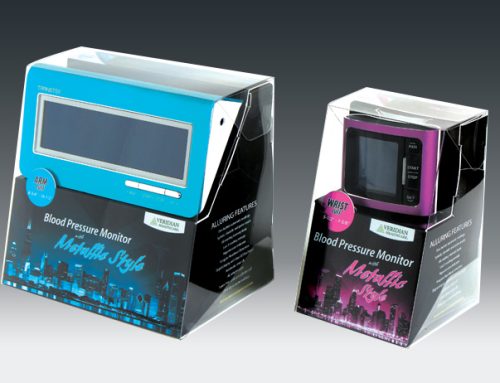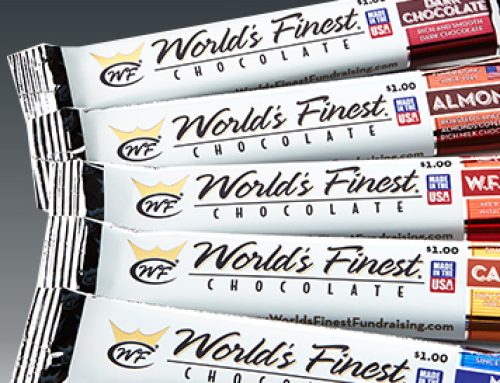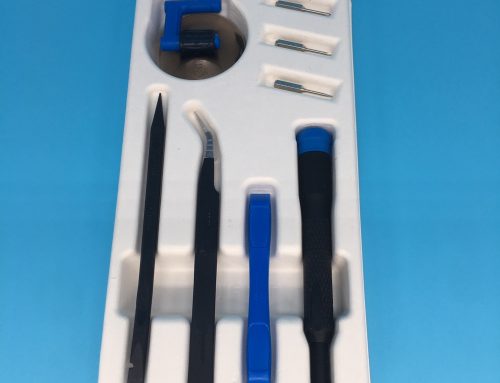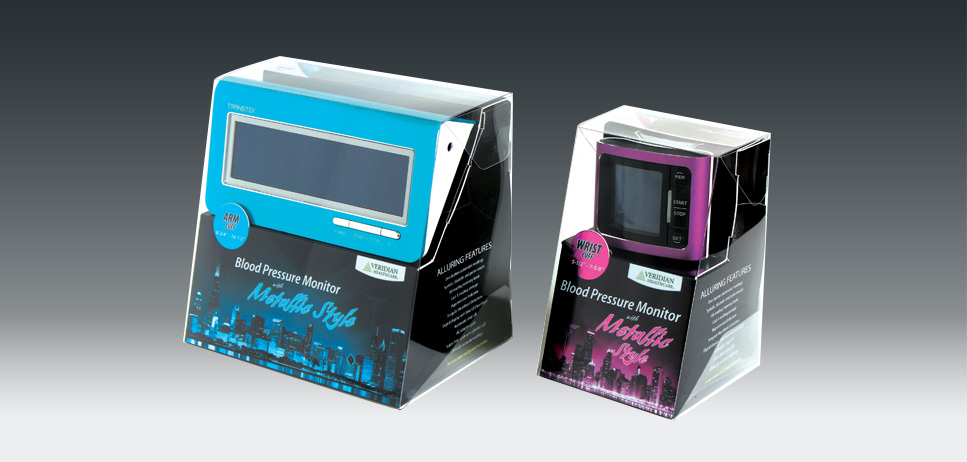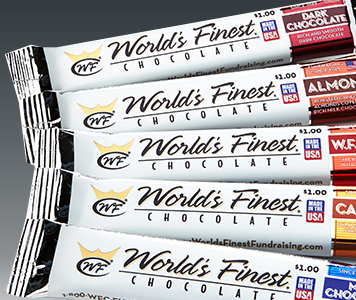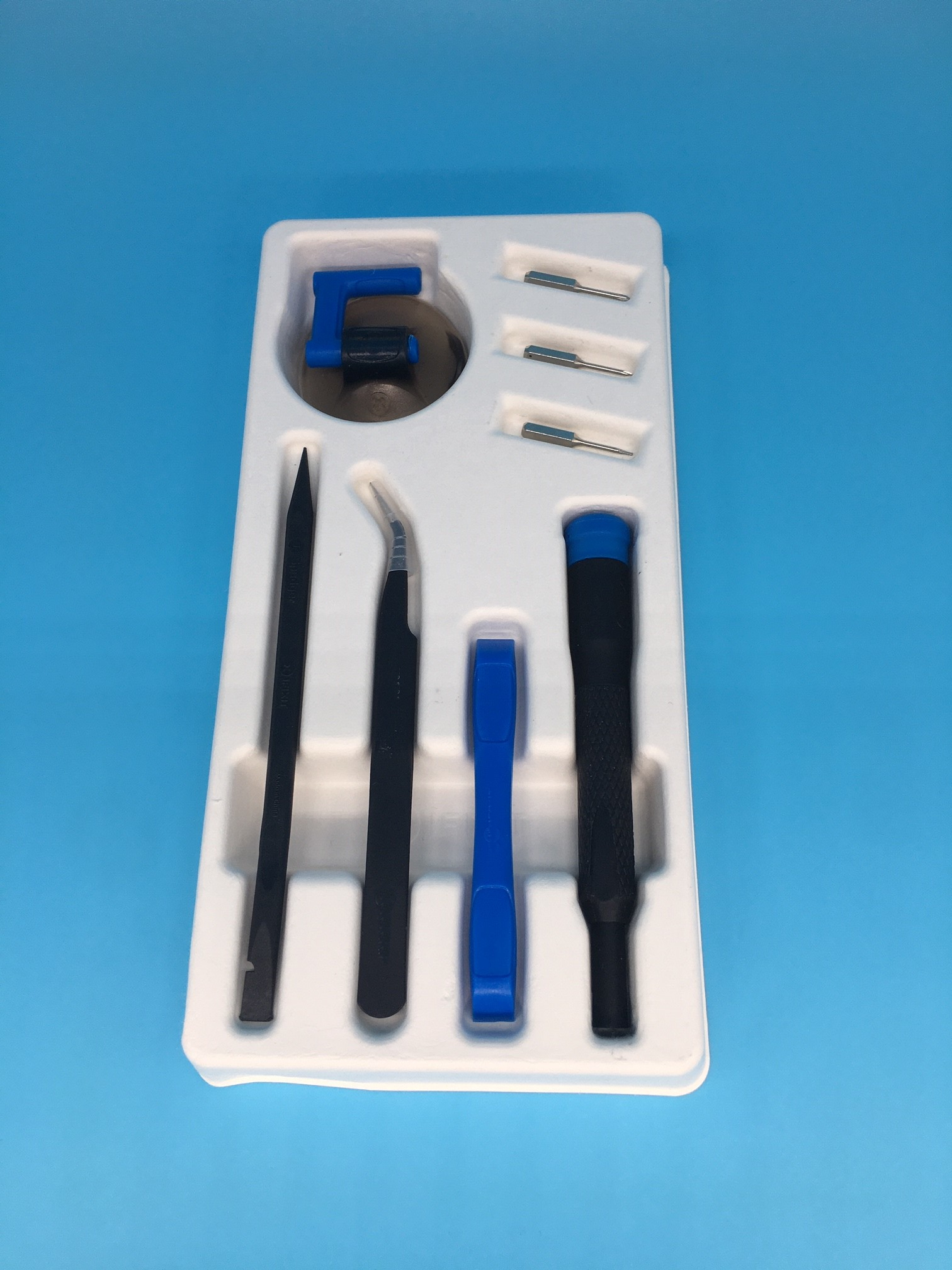

A packaging prototype is a real, physical version of your package, made before you commit to a production run. It is printed with your artwork, cut from your dieline and folded or assembled by hand, so you can hold it, fill it with the product, put it on a shelf and find out what is wrong with it while changes still cost almost nothing. This guide explains the kinds of packaging prototypes you can order, how one is made, what drives the cost, how long it takes and what to check when it lands on your desk.
What a packaging prototype is, and the kinds you can order
The word covers several different things, and it helps to ask for the right one.
- Structural sample. An unprinted piece cut from the real board. It answers one question: does the structure work? Does the product fit, does the tuck close, does the display stand up when it is loaded.
- Printed prototype or mockup. The same structure with your artwork on it, finished to look like the production package. This is the one people mean when they say “packaging mockup”.
- Functional prototype. A printed piece built to be used: filled, shipped, opened, stacked, dropped. It is the version you test, not just look at.
- Sales, investor and trade show samples. A small set of finished pieces for a buyer meeting, a pitch or a booth, made before the product itself exists in volume.
- Photography samples. Clean, colour-accurate pieces for the product shoot, so the website and the listing are ready on launch day.
All of them come from the same file. The difference is how far the piece is taken, and that is what sets the price and the time.
What can be prototyped
Almost any package that is cut from a sheet or printed on a roll:
- Folding cartons: retail cartons, sleeves and product boxes.
- Corrugated boxes: mailers, shipping boxes, subscription boxes and retail-ready packs.
- POP displays and retail displays: counter units, floor stands and end caps.
- Pouches and flexible packaging, labels and wraps and shrink sleeves, shown on the real container.
- Influencer kits and presentation boxes with custom inserts.
How a packaging prototype is made
The process is short because nothing has to be tooled. There are no printing plates and no steel rule die.
- The brief. You send the product dimensions and weight, or the product itself, and say where the package will be sold and how it will ship.
- The dieline. If you have one, we use it. If you do not, structural design produces one: a flat template showing every cut, score and glue area, sized around your product.
- Artwork. Your designer places the graphics on the dieline. If the art is not final, a structural sample can go ahead first so the two tracks run side by side.
- Printing. The sheet is printed digitally, straight from the file. Digital printing needs no plates, which is why one copy is a normal order.
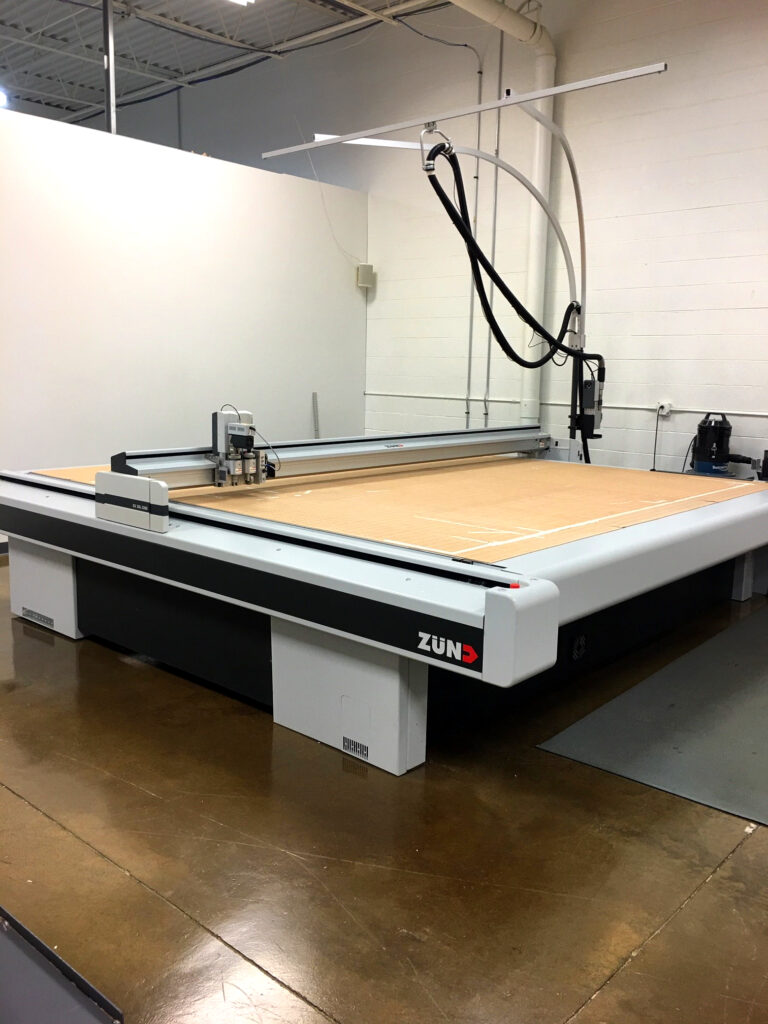
- Cutting. A computer-controlled cutting table cuts and scores the sheet from the same CAD file. This is digital die cutting, and it is the step that replaces the die.
- Finishing and assembly. The piece is folded, glued and assembled by hand, with any lamination, window or insert added.
- Review. You check it against the product. If something needs to move, the file is changed and the piece is cut again.
What a packaging prototype costs
There is no tooling charge, so the price of a prototype is the design time, the material and the hands that finish it. Five things move it:
- Whether a dieline exists. Working from your file is the cheapest route. A new structure adds design time, but it is a one-time cost: the same dieline drives the prototype, any short run and the production die later.
- Size and material. A small carton on paperboard uses a fraction of the sheet that a corrugated floor display does.
- Print and finish. Digital print is priced by the sheet, so heavy colour coverage costs about the same as light. Lamination, foil, windows and special coatings are the steps that add cost.
- Complexity. A straight tuck carton folds in seconds. A multi-part kit with a tray, inserts and a sleeve is built by hand, piece by piece.
- How many, and how many versions. The second copy costs less than the first, and three flavours of the same carton are three sets of artwork on one structure.
As a guide, a single printed folding carton prototype is typically a two-figure item. Larger corrugated pieces, displays and multi-part kits sit higher. We quote each job on its own dieline, board and finish, because that is the only honest way to give a number. The useful comparison is not with the unit price of a production box. It is with the cost of finding the problem after ten thousand have been printed.
How long a prototype takes
When the dieline and the artwork are ready, a prototype is usually cut within days of approval. What adds time is almost always on the way in, not on the machine:
- No dieline yet, so the structure has to be designed and tested first.
- Artwork that is not set up on the dieline, or is missing bleed.
- A special board, film or finish that has to be brought in.
- Multi-part assemblies and kits, which take longer to build by hand.
Revisions are fast for the same reason the first piece is: the change is made in the file, and the new version is printed and cut without waiting on tooling. If you are working back from a buyer meeting or a trade show date, say so at the start and the job can be planned around it.
What to check when your prototype arrives
A prototype earns its cost in the first ten minutes. Go through it with the real product in hand:
- Fit. Load the product. It should go in without force and not rattle once the package is closed.
- Closure. Open and close it several times. Tucks, locks and tabs should hold without tearing.
- Copy and codes. Check that the barcode, regulatory text and any small type sit on a flat panel and not across a score or a glue flap.
- Colour. Look at it under the lighting it will be sold in, next to your other packaging.
- Shelf presence. Stand it beside the competitors it will sit next to. This is the test a screen cannot do.
- Shipping. If it ships, pack it the way it will travel and send one to yourself.
- Assembly. Time how long it takes to fold and fill. On a run of several hundred, seconds per piece add up.
From prototype to short run to production
The approved prototype is not thrown away. It becomes the reference for everything after it. A short run of fifty or a few hundred is cut from the same dieline on the same equipment, so it matches the sample you signed off. If the product takes off and the job moves to a conventional production line, the dieline and artwork carry across unchanged, and the prototype is the approval sample the production run is checked against.
What to send for a prototype quote
- Product dimensions and weight, or a sample of the product.
- The package style you have in mind, or a photo of one you like.
- How many pieces you need, and how many versions.
- Your dieline and artwork if you have them. A logo is enough to start.
- Where it will be sold and how it will ship.
- The date you need it in hand.
Send those through the quote form, or upload finished files on the artwork page.
Frequently asked questions
Can I order a single packaging prototype?
Yes. One printed and cut piece is a normal order. There is no minimum quantity because there is no tooling to pay off.
Do I need a dieline before I ask for a prototype?
No. If you have one we will work from it. If you do not, our structural designers build one around your product, and the file is yours to use for the run that follows.
Will the prototype look like the finished package?
That is the point of a printed prototype. Ours are produced on the same digital printing technology we use for production work, so what you approve is what you get.
Can you prototype a folding carton and a display for the same product?
Yes. The carton, the shipper and the counter display can be designed together, from the same product dimensions, so the product fits all three.
Do you ship prototypes outside Illinois?
Yes. Prototypes are made in Lake Zurich, Illinois, about 40 miles northwest of Chicago, and shipped nationwide.
Create It Packaging has been building packaging prototypes since 1996, from a single carton to a full set of sales samples. See the prototyping service, or request a quote with your dimensions and the date you need it.